Belle.com.mx | Luxury Beauty, Apothecary & Private Services in Mexico City


Wormwood (Artemisia): Bitterness, Boundaries, and the Importance of Respecting This Ancient Plant
Wormwood (Artemisia) has long been associated with ritual, herbal traditions, protection symbolism, and the wisdom of boundaries through bitterness. This blog explores the historical and spiritual symbolism of wormwood, its cultural significance, and why potent plants deserve respect, discernment, and informed awareness.
APOTHECARY
Elizabeth
4/11/20263 min read
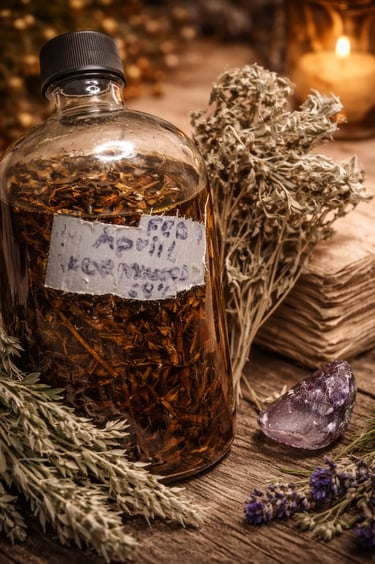
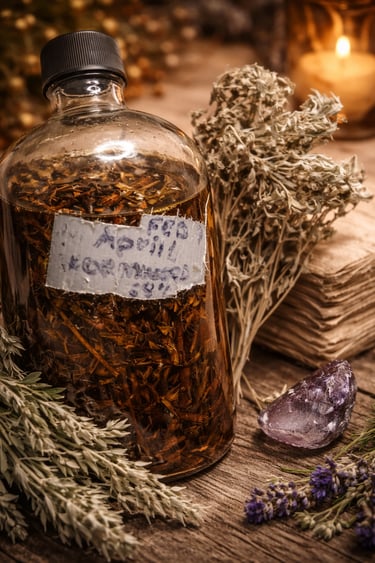
Wormwood (Artemisia): Bitterness, Boundaries, and the Importance of Respect
Some plants nourish.
Some soothe.
Artemisia teaches.
It does not arrive gently.
It arrives with bitterness.
And that bitterness is not a flaw—
it is the message.
An Ancient Plant with a Long Memory
Wormwood, often referred to as artemisia, has been used across cultures for centuries.
It appears in:
traditional herbal practices
ritual and ceremonial use
historical preparations across regions
It is not new.
What is new—
is how casually it is being approached.
Why Is Wormwood So Bitter?
Bitterness in plants is not accidental.
It is part of their chemistry.
Wormwood contains naturally occurring compounds that contribute to its intense taste.
These compounds are what give the plant its:
potency
distinct character
strong presence
In nature, bitterness often signals:
👉 strength
👉 concentration
👉 the need for moderation
Bitterness as a Signal, Not a Flavor
In modern culture, bitterness is often avoided.
Sweetness is preferred.
Mildness is expected.
But bitter plants exist for a reason.
They:
slow you down
demand attention
resist overuse
Wormwood does not invite excess.
It enforces boundaries.
Respecting Potent Plants
Not all natural substances are gentle.
And not all plants are meant for frequent or casual use.
Wormwood is one of those plants that requires:
awareness
restraint
respect
Its strength means:
👉 more is not better
👉 frequent use is not always appropriate
👉 intention matters
The Risk of Trend Without Understanding
In recent years, there has been a rise in interest around strong herbal preparations.
But when a plant becomes a trend, something is often lost:
👉 context
👉 tradition
👉 respect
Wormwood is not a novelty.
It is not a shortcut.
It is not a quick solution.
It is a plant with history—
and with weight.
A Relationship, Not a Product
Working with plants like artemisia is less about consumption—
and more about relationship.
It asks:
Are you paying attention?
Are you using it intentionally?
Are you respecting its nature?
This is where its true value lies.
A Grounded Perspective
This is not about fear.
It is about awareness.
Understanding that:
potency requires moderation
strength requires responsibility
natural does not always mean mild
Final Thoughts
Wormwood does not soften itself to be liked.
It remains exactly what it is.
Bitter.
Strong.
Uncompromising.
And in that—
there is clarity.
Affirmation
I respect what is powerful.
I move with awareness and intention.
I honor what asks for balance.
— Elizabeth & Anima Lux
👉 Shop our catalogue here
👉 Shop our Wormwood Artemisa 8-week Macerated Tincture : here

Artemisa-Wormwood (Ajenjo): Amargura, Límites y la Importancia de Respetar Esta Planta Ancestral
Algunas plantas nutren.
Otras calman.
La artemisa enseña.
No llega suavemente.
Llega con amargura.
Y esa amargura no es un defecto—
es el mensaje.
Una Planta Antigua con Memoria
La artemisa, conocida también como ajenjo, ha sido utilizada durante siglos en distintas culturas.
Aparece en:
prácticas herbolarias tradicionales
contextos rituales y ceremoniales
preparaciones históricas en diversas regiones
No es nueva.
Lo nuevo—
es la forma en que hoy se está utilizando sin contexto.
¿Por Qué es Tan Amarga?
La amargura en las plantas no es casualidad.
Es parte de su composición natural.
La artemisa contiene compuestos que le dan su sabor intenso.
Estos compuestos son los que aportan:
su fuerza
su carácter
su presencia
En la naturaleza, lo amargo suele indicar:
👉 potencia
👉 concentración
👉 necesidad de moderación
La Amargura como Señal, No como Sabor
Hoy en día, lo amargo se evita.
Se prefiere lo dulce.
Se busca lo suave.
Pero las plantas amargas existen por una razón.
Ellas:
te hacen pausar
te obligan a prestar atención
no permiten el exceso
La artemisa no invita al abuso.
Marca límites.
Respetar las Plantas Potentes
No todo lo natural es suave.
Y no todas las plantas son para uso constante o casual.
La artemisa es una planta que requiere:
conciencia
moderación
respeto
Su fuerza implica que:
👉 más no es mejor
👉 el uso frecuente no siempre es adecuado
👉 la intención importa
El Riesgo de las Tendencias sin Entendimiento
En los últimos años, ha crecido el interés por preparaciones herbales fuertes.
Pero cuando una planta se vuelve tendencia, algo se pierde:
👉 el contexto
👉 la tradición
👉 el respeto
La artemisa no es una moda.
No es un atajo.
No es una solución rápida.
Es una planta con historia—
y con peso.
Una Relación, No un Producto
Trabajar con plantas como la artemisa no se trata solo de consumir—
sino de relacionarse.
Invita a preguntarte:
¿Estoy prestando atención?
¿La estoy usando con intención?
¿Estoy respetando su naturaleza?
Ahí es donde está su verdadero valor.
Una Perspectiva Consciente
No se trata de miedo.
Se trata de conciencia.
Entender que:
lo potente requiere moderación
la fuerza exige responsabilidad
natural no siempre significa suave
Reflexión Final
La artemisa no se suaviza para agradar.
Permanece como es.
Amarga.
Fuerte.
Directa.
Y en eso—
hay claridad.
Afirmación
Respeto lo que es poderoso.
Actúo con conciencia e intención.
Honro el equilibrio.
— Elizabeth & Anima Lux
👉 Compra Artemisa-Wormwood (Ajenjo): aqui
👉 Nuestro catalogo completo: aqui
Belle.com.mx, CDMX
Luxury apothecary & VIP Executive Liaison CDMX
Service Area: Polanco, Lomas de Chapultepec, Santa Fe, and Juárez.
appointment